
Whoa!
I started using extension wallets back when Ethereum gas was an annoying game, and my gut said somethin’ wasn’t right. The interfaces were flashy, sure, but permissions felt like blank checks sometimes. I watched a friend sign a transaction that looked harmless and then lose access to tokens—on one hand it’s user error, though actually it exposed how opaque many wallets remain. That moment made the practical risks obvious, and it changed how I judge wallets moving forward.
Really?
Yes—multi-chain wallets promise convenience and they often deliver it, but convenience can hide complexity. When a single extension can talk to multiple chains and dozens of dApps, the attack surface grows, and the security model isn’t just about seed phrases anymore. My instinct said “watch the permissions,” and that instinct was right more often than not.
Whoa, hmm…
On a technical level, multi-chain support means the wallet must track different token standards, networks, and signing behaviors, and that creates subtle UX choices that matter. Some wallets jam everything into one UX, which is tidy but risky because users can be tricked into approving the wrong chain or a malicious contract, and that kind of mistake is very very costly. I’m biased toward clarity—I’d rather a slightly clunkier flow that prevents mistakes than a sleek one that encourages autopilot behavior.
How I evaluate a DeFi browser extension wallet
Okay, so check this out—when I look at a wallet I break it into three buckets: provenance and updates, permission granularity, and recovery ergonomics. Initially I thought provenance just meant “who made it”, but then I realized update cadence, open-source audits, and how the team communicates after incidents matters way more. On one hand you want rapid feature development, though actually frequent updates can introduce regressions unless the project has strong review practices. So I watch commit transparency, release notes, and community threads to judge whether an update is safe or not.
Here’s the thing.
Permission granularity is huge—being able to approve single contract calls instead of blanket approvals reduces risk, plain and simple. I prefer wallets that show exactly what data a dApp will access and which chain it’s asking to transact on, because context helps you catch phishing-like tricks. When a wallet warns you that a contract can transfer tokens on your behalf, that pause often prevents the worst mistakes.
Seriously?
Recovery is the third bucket and it’s often overlooked until it’s too late. Seed phrases are necessary, yes, but the recovery flow after device loss, and protections against clipboard malware or malicious QR codes, are part of the real-world story. Somethin’ as simple as copy protection on seed export or an educational prompt during onboarding can save someone a fortune, and I can’t stress that enough.
Hmm…
Now, practical tradeoffs: some wallets are conservative and lock you into manual network switching, which is safer but annoying; others auto-switch based on dApp requests, which is slick but riskier. Initially I leaned toward the conservative side, but then I started using a wallet that let me set trusted dApp lists and context-specific approvals, and my workflow improved without sacrificing safety. Actually, wait—let me rephrase that: the best compromise is a wallet that nudges you, doesn’t force you, and remembers your choices in a sensible, revocable way.
Whoa!
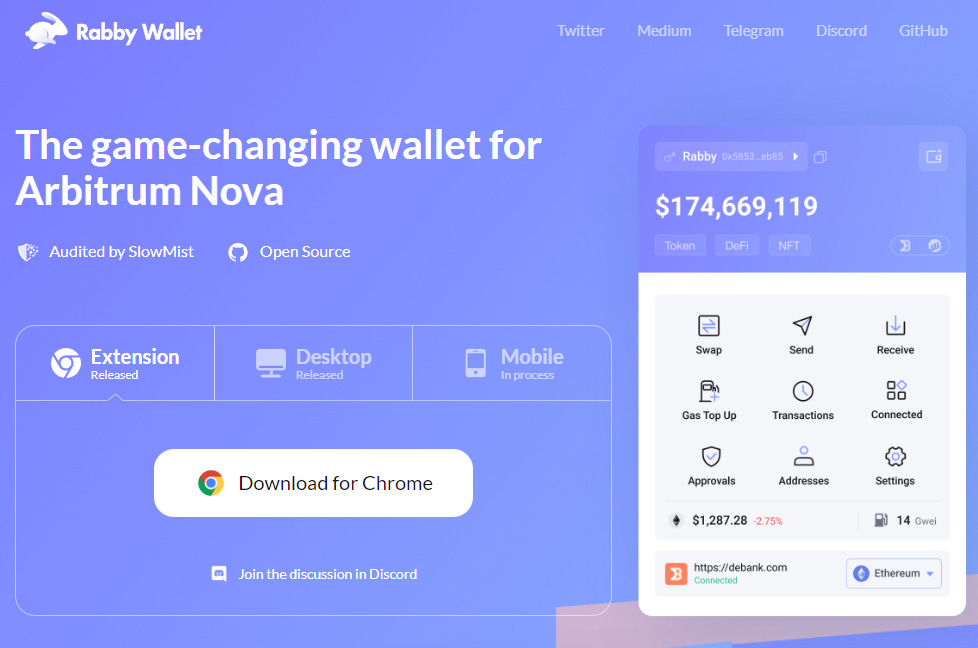
If you’re hunting for a browser extension wallet that gets these nuances right, try to pick one that balances UX and security and that communicates clearly when things are weird. I like solutions that provide transaction previews in plain language and that let you deny token allowances with one click, because those micro-interactions compound into real security. For me, that balance has been a game-changer, and one wallet that stands out in this space for practical users is rabby, which leans into clarity without dumping the power-user features.
Okay, quick aside—
One complaint: hardware wallet integrations sometimes feel bolted on, like an afterthought, and that bugs me because those integrations are literally the safety net for many users. On the other hand, deep integration can be excellent when it’s well executed, providing secure signing and a smooth UX that actually encourages safer habits. I’m not 100% sure every extension can pull that off, but the ones that do are worth the heavier setup.
Really?
Yes—education matters. Wallets that add micro-tutorials and contextual warnings reduce bad outcomes. Onboarding that shows what an approval does, with examples like “this allows the contract to move tokens,” changes behavior. It’s subtle, but over months users become smarter—and that’s the point.
FAQ
Is a multi-chain wallet less secure?
Not inherently; multi-chain support increases complexity, which raises the bar for secure design, but a well-built multi-chain wallet can be secure if it isolates chain contexts, offers granular permissions, and undergoes robust audits.
Should I use a browser extension or a hardware wallet?
Both—extension wallets are convenient for daily DeFi interactions, while hardware wallets add a strong layer of protection for large holdings; many users combine them so the extension handles UX and the hardware handles private keys.